What Formula 1 Can Teach Business Leaders – 5 Lessons in High Performance

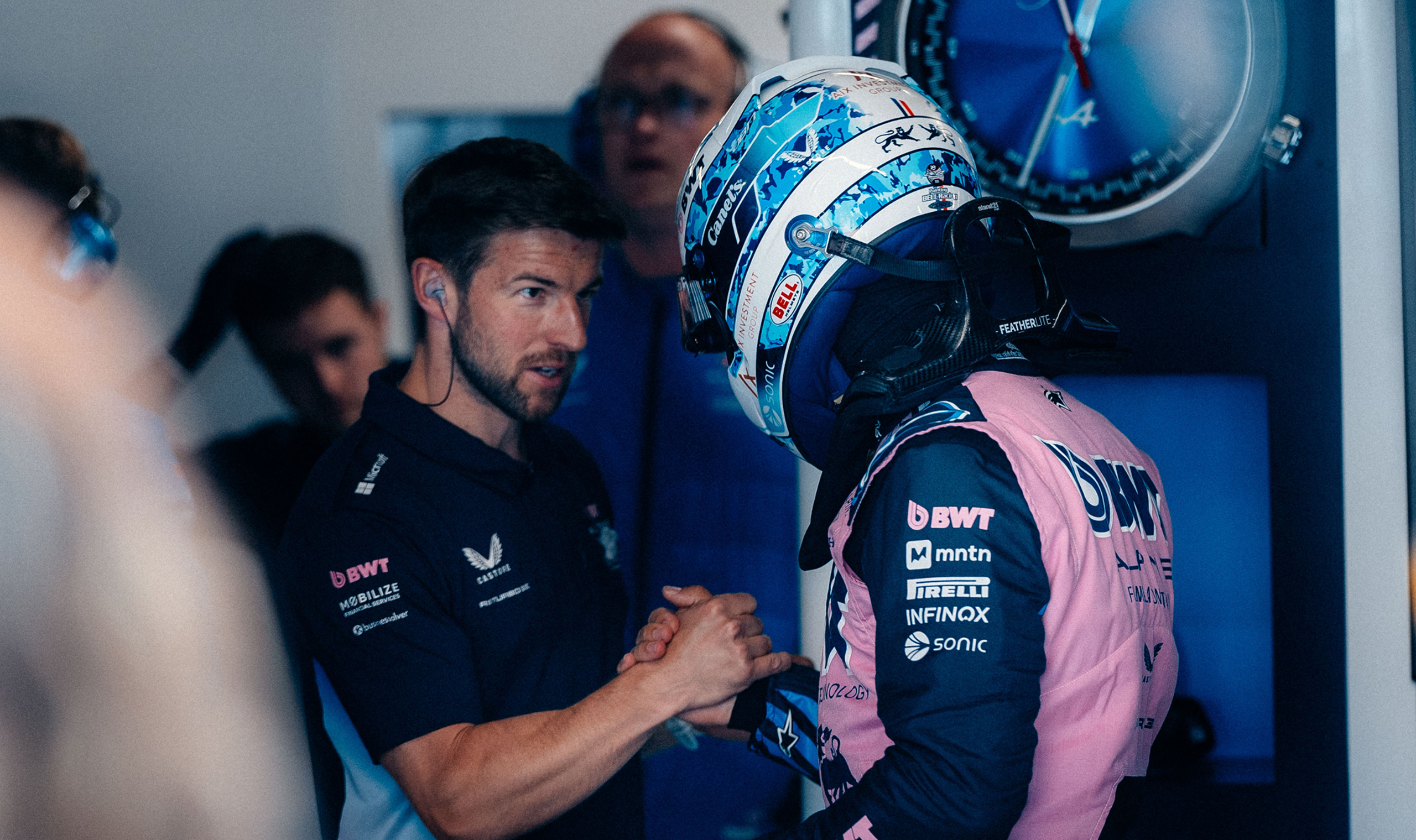
Formula 1 is the ultimate human performance lab. Under relentless pressure, drivers and teams must deliver exceptional performance, race after race. Behind every great performance is an entire system designed to make it possible. What if business leaders approached performance the same way?
In F1, nothing is left to chance. From physical preparation and recovery to mental focus and teamwork, every detail matters. Yet in business, we often expect leaders to deliver under constant pressure without the same attention to their own preparation and wellbeing.
For over 30 years, Hintsa has worked across both worlds, supporting Formula 1 drivers who have won 20 World Drivers’ Championships and over 90% of race wins in the past 14 seasons, while delivering more than 3,500 executive coaching programmes.
We’ve distilled decades of experience from Formula 1 to the Fortune 500 into our report, The Hidden Value of Formula 1. Here are five lessons business leaders can take from the racetrack to the boardroom.
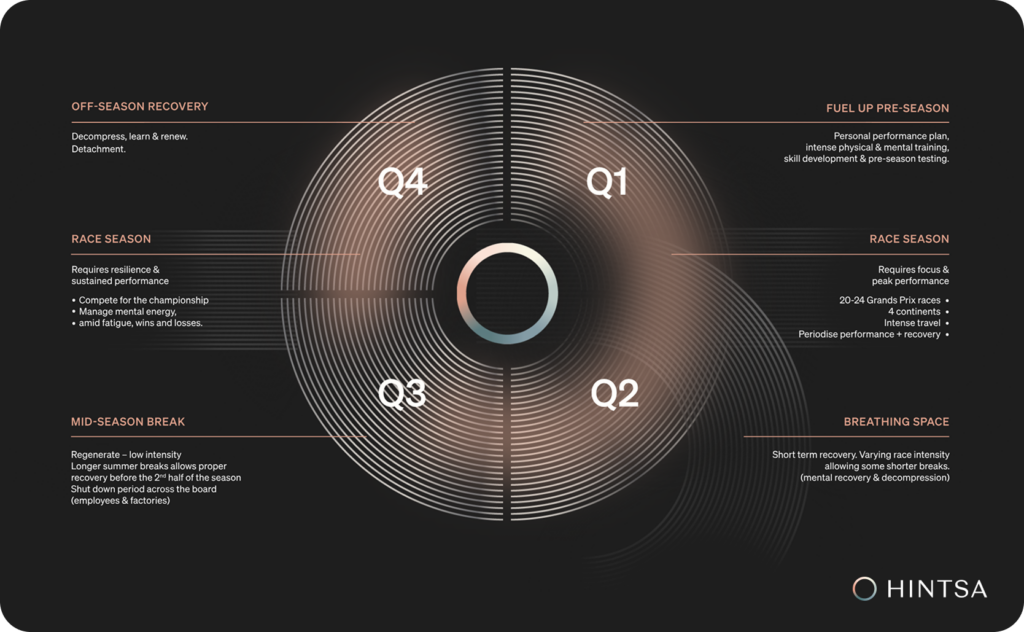
1. You can’t perform at full speed all year
A Formula 1 season stretches across continents, time zones, and months of intense competition. The challenge isn’t performing at your best once, but sustaining that performance throughout the year.
That’s why drivers and their performance teams plan around cycles of preparation, competition, and recovery. They know when to push hard and when to recharge.
In business, however, many leaders operate as if every week is race week. One deadline follows another, and opportunities to recover disappear.
The lesson: Sustainable performance requires rhythm. Plan your most demanding periods, protect opportunities to recover, and recognise that constantly operating at maximum intensity isn’t a long-term strategy.
2. Performance starts before you arrive
Formula 1 drivers regularly cross multiple time zones, often with only days between races. Jet lag, disrupted sleep, and travel fatigue can all affect concentration and reaction time.
That’s why performance teams carefully plan travel, sleep, light exposure, and recovery. The goal isn’t simply to arrive at the circuit, but to arrive ready to perform.
For business leaders travelling between international meetings, the same principle applies. Important decisions don’t become less demanding just because you’ve stepped off a long-haul flight.
The lesson: Treat travel as part of performance preparation. Consider when you need to be at your sharpest, and plan your schedule, sleep, and recovery accordingly.
3. The best performers know how to switch gears
An F1 driver needs intense focus at the start, calm decision-making when conditions change, and emotional control when things go wrong.
These moments demand different mental states.
Hintsa’s F1 performance psychologists help drivers develop cognitive agility: the ability to recognise what a situation requires and adjust their mental state accordingly.
Business leaders face similar transitions. A difficult conversation, strategic planning session, and high-stakes negotiation all require different kinds of attention. Developing this ability to adapt under pressure is also an important part of building high-performing leaders who can sustain their edge under pressure.
The lesson: Don’t approach every situation in the same mental gear. Take a moment to prepare for important tasks and consider what mindset will help you perform at your best.
Go inside the mind of an F1 Champion
In a four-part video series with Formula 1 and TAG Heuer, Hintsa performance psychologist Matthew Thompson reveals the mental game of F1.
watch the series4. No one wins alone
The driver may stand on the podium, but hundreds of people contribute to every Formula 1 victory.
Engineers, strategists, mechanics, and performance specialists must work together under extraordinary pressure. And when things go wrong, the ability to learn quickly matters just as much as technical expertise.
Structured debriefs help teams move beyond frustration, understand what happened, and identify improvements without turning every mistake into a blame game.
The lesson: Great performance is a team effort. Building high-performing teams starts with an environment where people communicate openly, learn from setbacks, and take shared responsibility for getting better.
Want to dive deeper into the lessons from F1?
Discover what the world’s fastest sport can teach business leaders about sustainable high performance.
download the full report5. Your brain is your most valuable performance asset
Physical fitness is essential in Formula 1, but the demands on a driver’s brain are equally extraordinary.
Concentration, reaction time, decision-making, and mental endurance all matter. And protecting these capabilities over an entire career requires more than short-term performance hacks.
In the report, Hintsa neuroscientist Dr Tommy Wood introduces three foundations of long-term brain health: Stimulus, Supply, and Support.
In practice, that means challenging your brain through learning, supporting it through exercise and nutrition, and protecting it through sleep, recovery, and mental wellbeing.
The lesson: Think beyond how sharp you feel today. Invest in the habits that will help you think clearly, learn, and perform for years to come.
The real secret behind Formula 1 performance
Formula 1 is famous for speed, technology, and relentless competition. But behind the scenes, its approach to human performance is remarkably deliberate.
Drivers don’t simply hope to feel focused, energised, and ready when the lights go out. They prepare for it.
And that’s perhaps the most important lesson for business leaders.
High performance doesn’t happen by chance. It’s something you build, protect, and sustain.
At Hintsa, we bring the same philosophy from Formula 1 to the boardroom. Through personalised coaching, we help leaders build the foundations to perform at their best, without compromising their health or life outside work.